
Groundwater Remediation
Groundwater remediation removes or reduces contaminants in an aquifer so the water no longer poses a risk to people, the environment or nearby structures. Common methods include pump-and-treat, where water is extracted through wells and cleaned with oil-water separators, air strippers or activated carbon; air sparging and soil vapour extraction for volatile fuels; in-situ chemical oxidation; enhanced bioremediation; and permeable reactive barriers. Where conditions allow, monitored natural attenuation may be used. The choice depends on the contaminant, soil type and groundwater flow. Remediation is applied at fuel stations, refineries, terminals and industrial sites, and progress is tracked through regular monitoring well sampling.
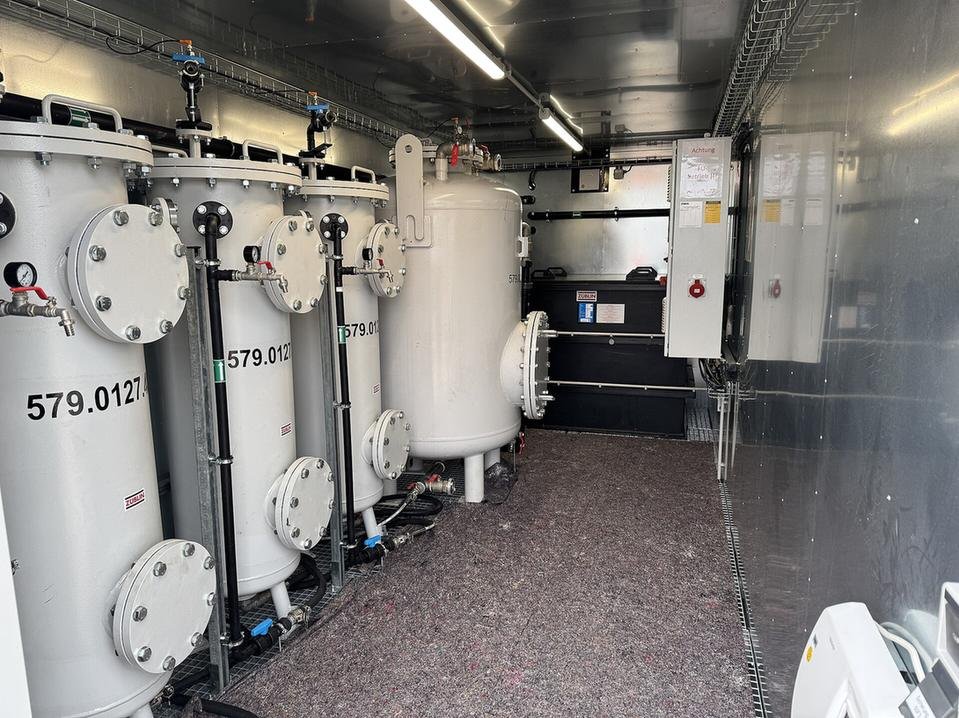
UST & AST Investigation & Closure
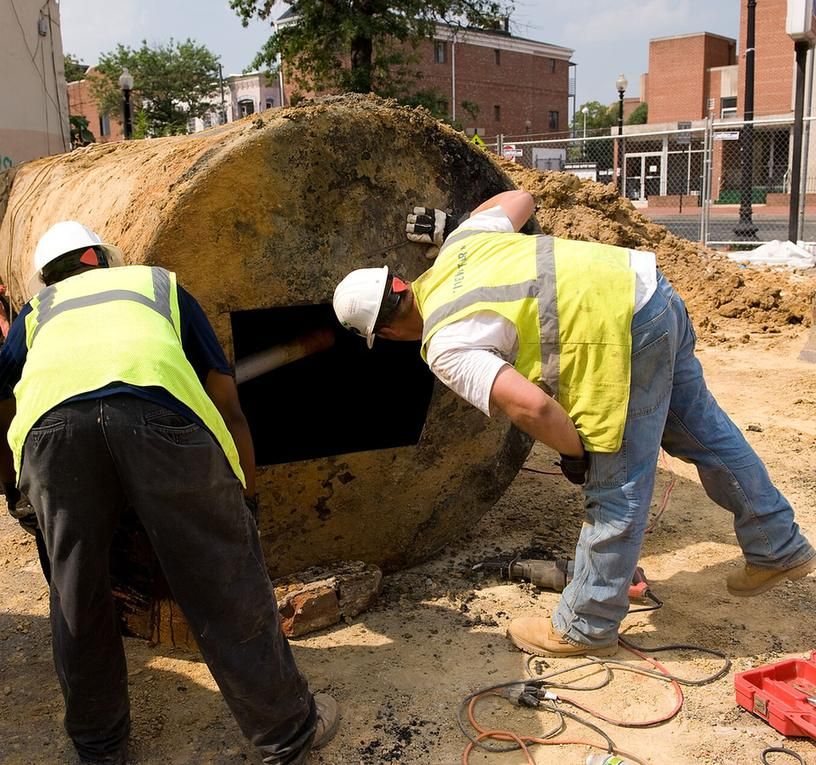
Underground storage tanks (USTs) and aboveground storage tanks (ASTs) hold fuels and chemicals that can leak into soil and groundwater. Investigation includes reviewing tank and pipework records, tightness testing, inspecting tank shells and secondary containment, and sampling soil and groundwater around the tanks and lines. When a tank is taken out of service, closure involves emptying it, removing residues and sludge, degassing to a safe atmosphere, and then either removing the tank or closing it in place by filling it with inert material. Excavation soils are tested, and a closure report documents the work. This is required at fuel stations, depots and industrial sites.
Remedial Design & Feasibility Studies
A remediation feasibility study compares the realistic options for cleaning up a contaminated site. Using investigation data and risk-based clean-up targets, it screens technologies and evaluates shortlisted alternatives for effectiveness, long-term reliability, ease of implementation, time to complete, cost and regulatory acceptance. Bench-scale or pilot tests may be run to confirm performance under site conditions. Once an option is selected, remedial design converts it into buildable form: design calculations, layout drawings, equipment specifications, a monitoring plan and health and safety requirements for the works. This gives clients a defensible basis for budgeting, procurement and regulatory approval before remediation begins.
Remediation Products & Solutions
Remediation products are the materials used to treat or contain contamination in soil and groundwater. They include chemical oxidants such as persulfate and permanganate that break down hydrocarbons and solvents, oxygen-release and electron-donor compounds that stimulate natural biodegradation, microbial cultures for bioaugmentation, activated carbon for adsorption, and sorbent pads, booms and granules for capturing oil. Products are selected based on the contaminant type, soil chemistry and groundwater conditions, and are often tested at bench scale first. They are applied by injection through wells or direct-push points, mixed into excavated soil, or placed in treatment units, as part of a designed remediation programme.
Municipal Waste Management
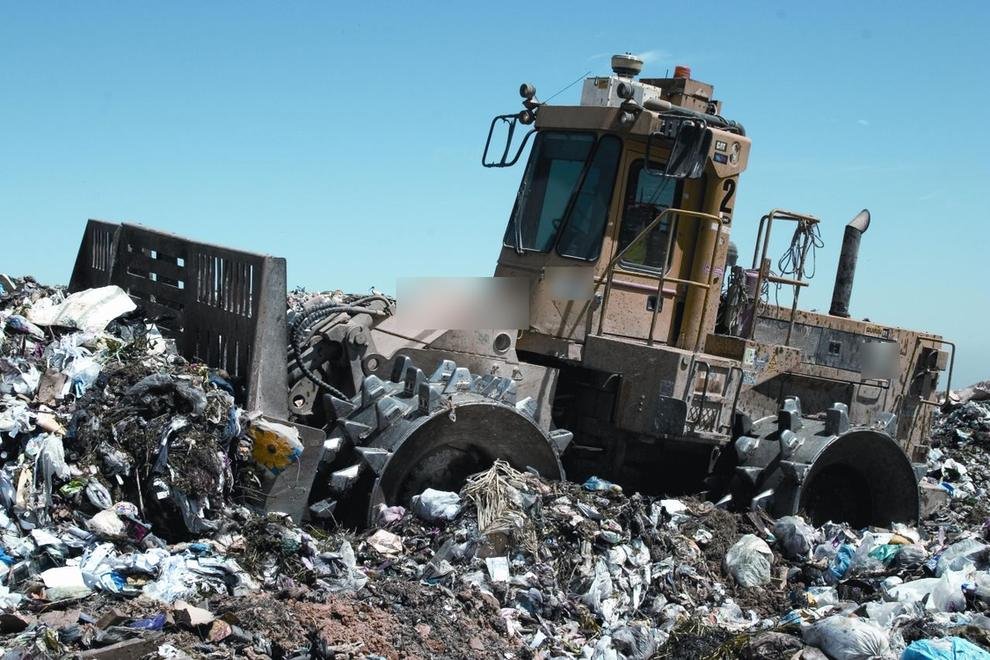
Municipal waste management covers the collection, transfer, treatment and disposal of household, commercial and similar solid waste. Consultants characterise the waste stream by composition and quantity, then plan collection systems, transfer stations, material recovery and recycling, composting of organic waste, and residual disposal. Engineered sanitary landfills use low-permeability liners, leachate collection and treatment, daily cover and compaction by heavy compactors, and landfill gas control, with groundwater monitoring around the site. Planning also covers closure and aftercare of old dumpsites. These services support municipalities and developers in reducing pollution, extending landfill life and meeting national waste regulations and recycling targets.
Control of Oil Sludge
Oil sludge is a thick mixture of oil, water and solids that builds up in storage tank bottoms, oil-water separators, refinery units and drilling operations, and is often classed as hazardous waste. Control starts with characterising the sludge for oil content, water, solids and metals, then minimising how much is produced. Treatment options include mechanical tank cleaning, centrifuge separation to recover oil, thermal desorption, bioremediation or land farming under controlled conditions, stabilisation and solidification, and incineration. Storage areas need lined, bunded containment to prevent leaks. Proper control reduces disposal volumes, recovers usable oil, and prevents soil and groundwater contamination at oil and gas facilities.
Other capabilities in this service
Back to Environmental ConsultancyDiscuss your project with ATLAS GES
Tell us about your site and requirements, and our team will get back to you.
Get in Touch