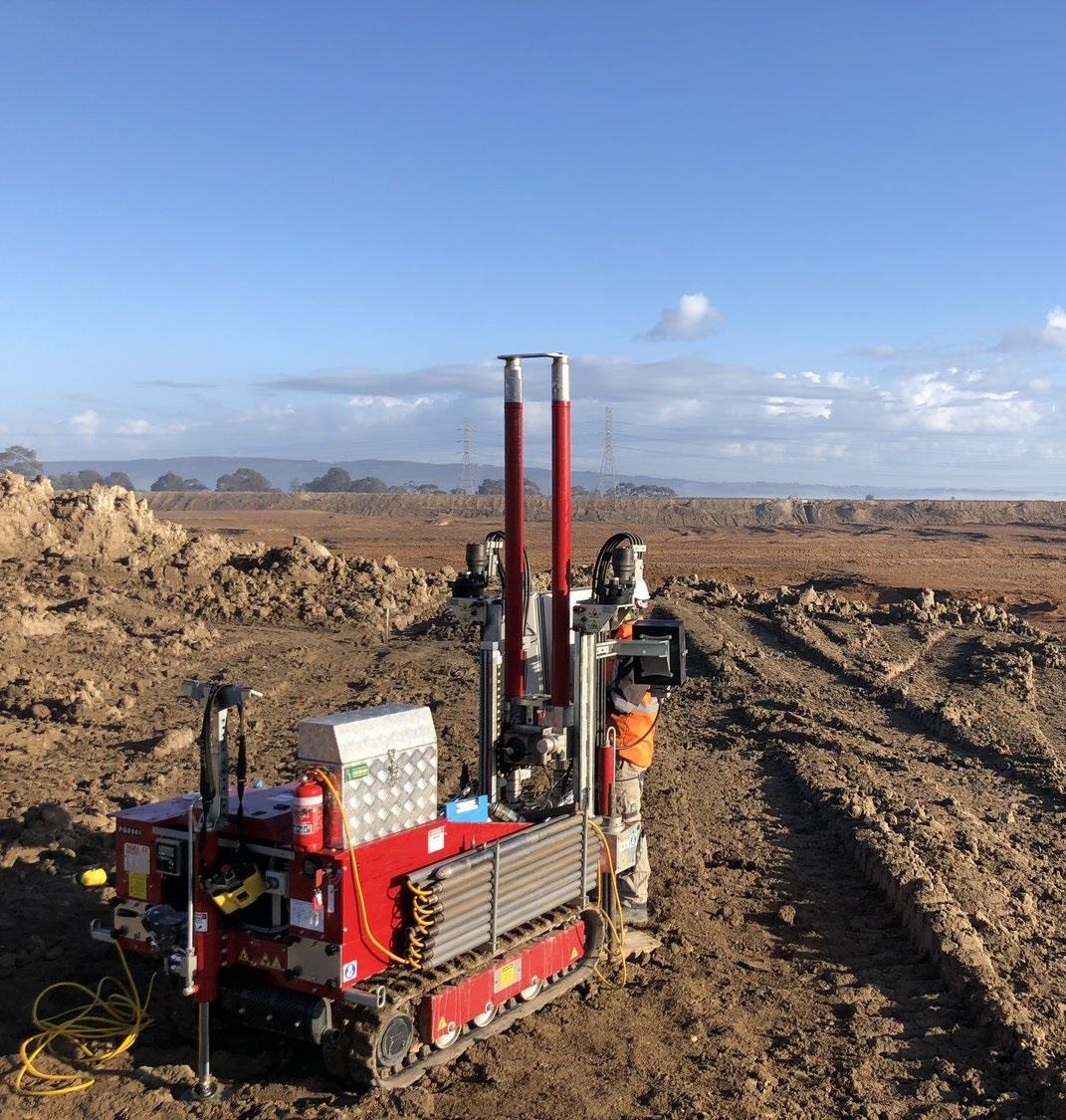
Safe Plant & Equipment Maintenance
Safe plant and equipment maintenance keeps machinery such as drilling rigs, compressors, generators, vehicles, lifting gear and test equipment in good condition, and makes sure maintenance itself is done safely. A planned preventive maintenance schedule, based on manufacturer guidance and operating hours, covers inspection, lubrication, part replacement and calibration. Operators carry out daily pre-use checks and report defects, and faulty equipment is tagged out of service. Lifting equipment and pressure systems receive periodic thorough examination by competent persons. During maintenance, lockout-tagout isolates energy sources so machines cannot start unexpectedly. Maintenance records are kept for each item, supporting reliability, safety and regulatory inspection.
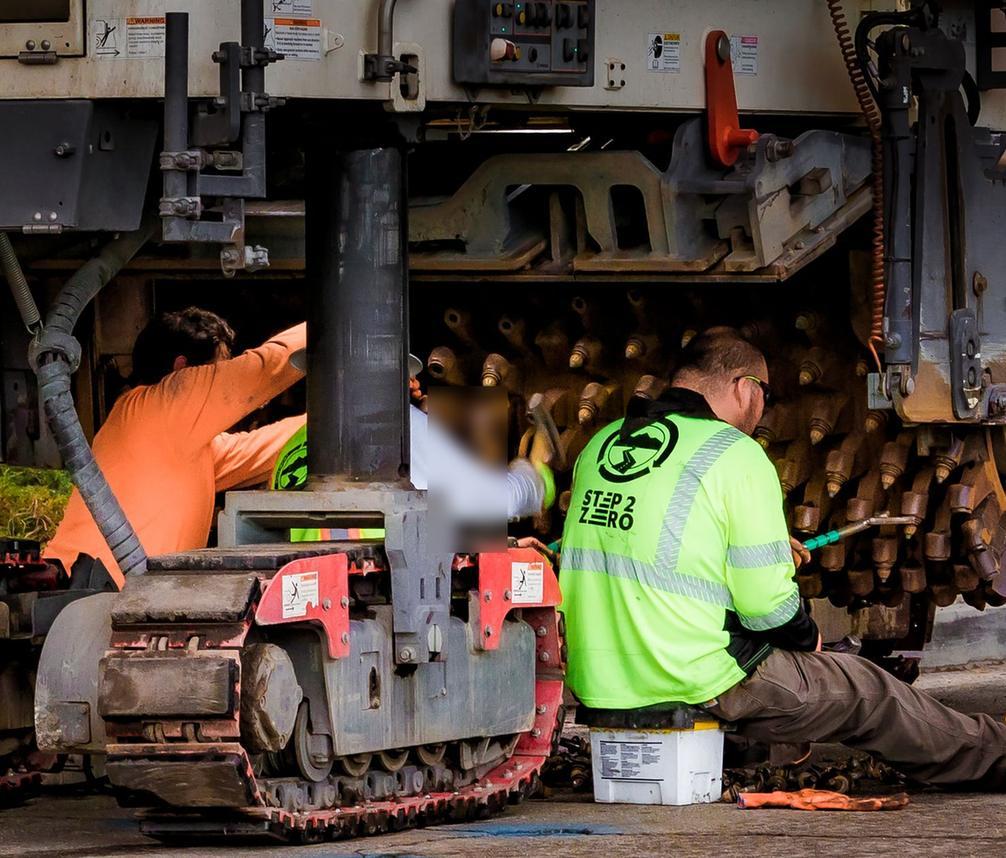
PPE Compliance Management
PPE compliance management makes sure the right personal protective equipment is selected, issued, worn correctly and kept in good condition. PPE is the last line of defence after other controls, and requirements are set by the risk assessment for each task. Typical field PPE includes safety helmets, safety glasses, high-visibility clothing, safety boots, gloves, hearing protection, respirators, fall-arrest harnesses and life jackets for work over water. Equipment must meet recognised standards and fit the wearer, with fit testing for tight-fitting respirators. Issue is recorded, items are inspected and replaced when damaged or expired, and supervisors check compliance during site inspections.
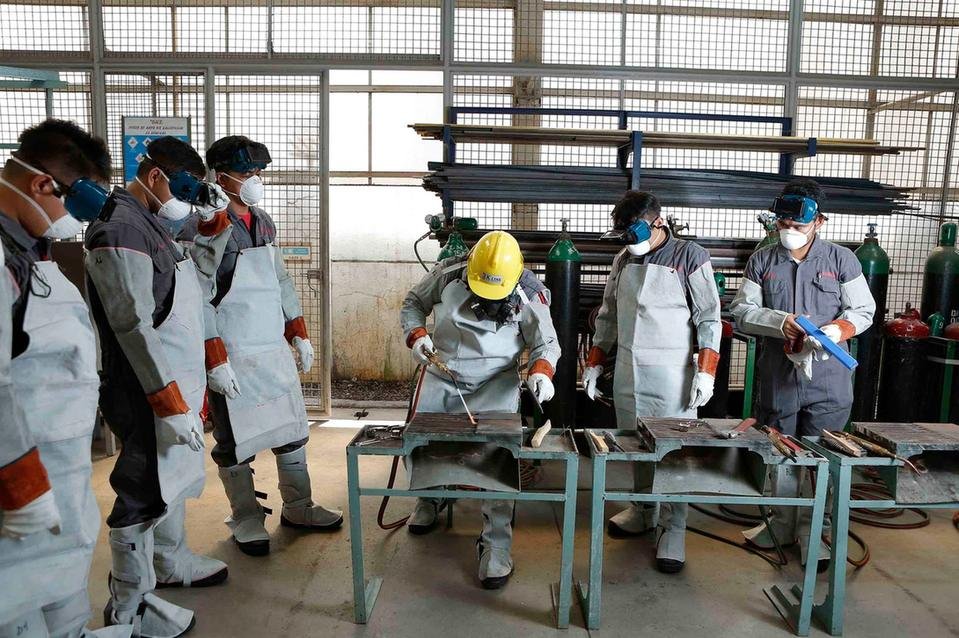
Accident Prevention Programs
Accident prevention programmes are structured, ongoing efforts to stop injuries and damage before they occur. They combine hazard identification and risk assessment with practical controls such as machine guarding, lockout-tagout for energy isolation, traffic management, safe excavation and work-at-height systems. Leading indicators are tracked alongside injury rates: near-miss reports, safety observations, inspection findings and the closure of corrective actions. Behaviour-based observation programmes, stop-work authority for every worker, and regular toolbox talks encourage people to speak up about unsafe conditions. Results are reviewed by management, and lessons from incidents and near misses are fed back into procedures, training and site planning.
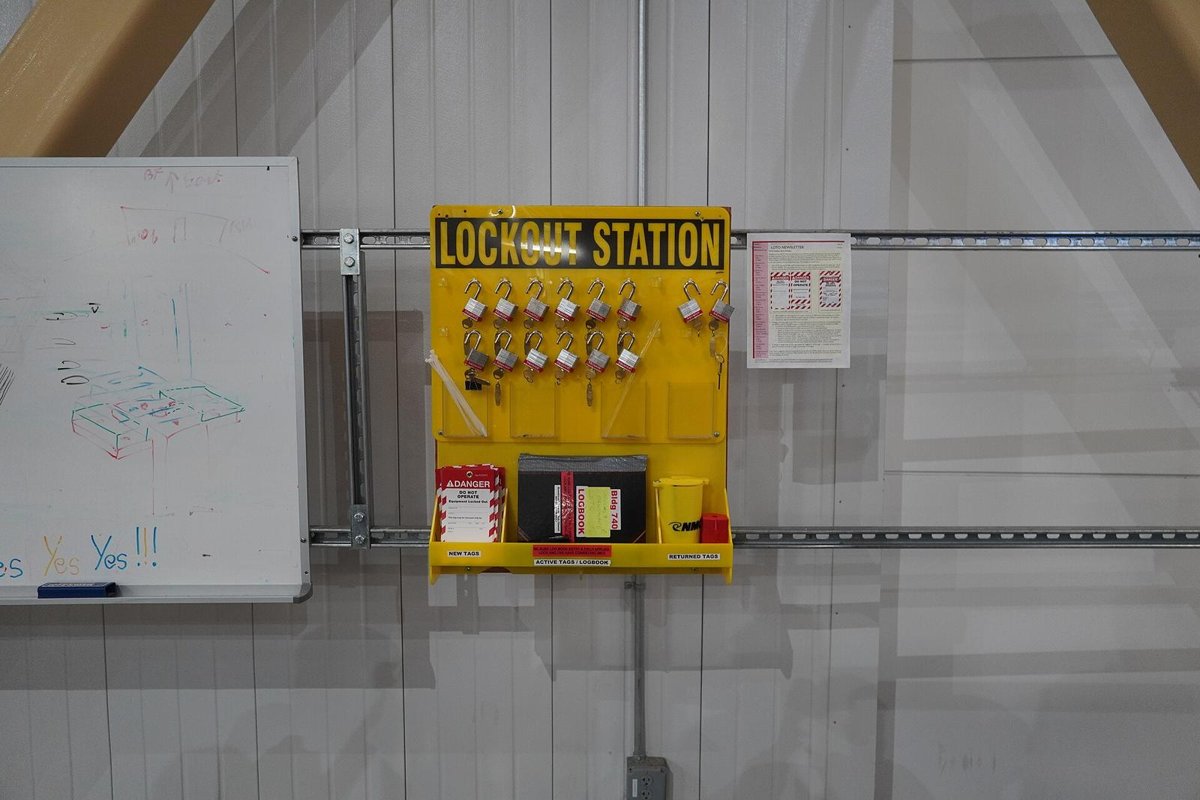
Health Monitoring Programs
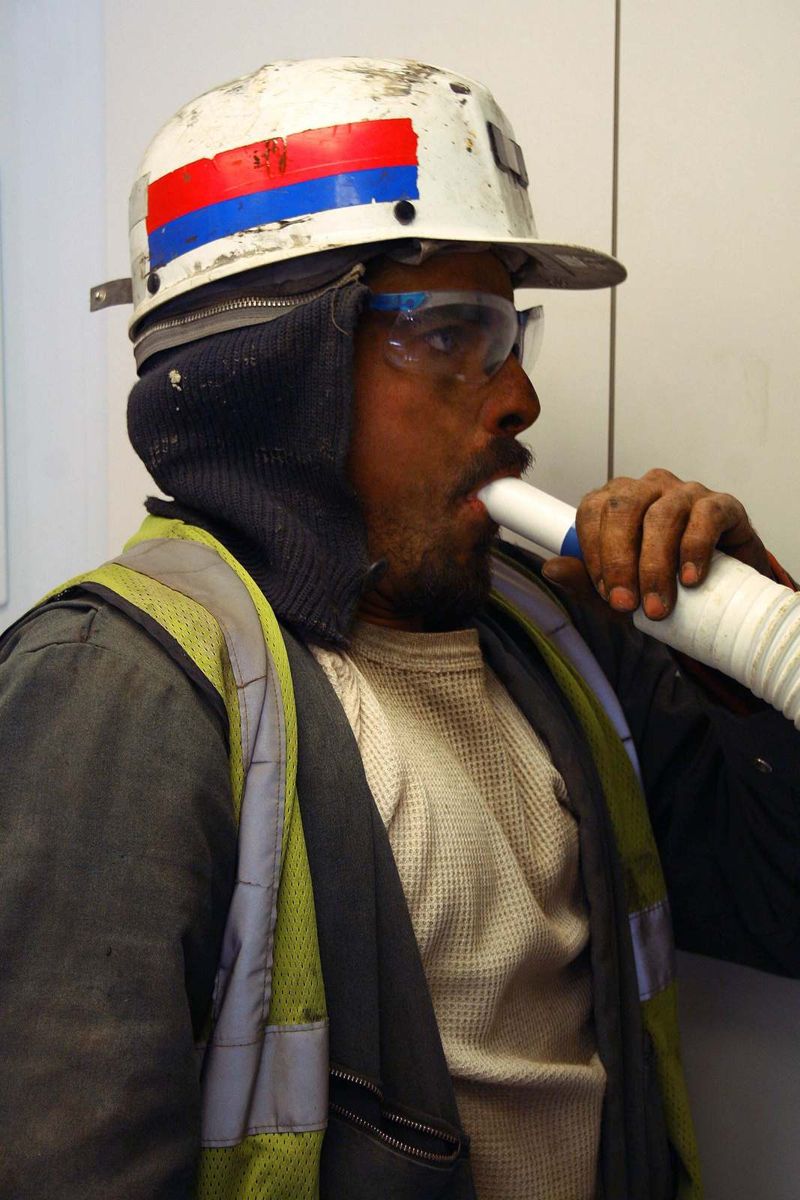
Health monitoring programmes, also called health surveillance, check workers' health at intervals to detect early signs of work-related harm. Typical elements include pre-employment and fitness-for-work medicals, audiometry for staff exposed to noise, spirometry lung-function tests for those exposed to dust or fumes, vision checks for drivers and operators, and biological monitoring where chemical exposure is possible. Occupational health professionals carry out the tests, keep confidential medical records, and advise on fitness for specific duties such as offshore or confined space work. Anonymised trends are reported to management, so that if results show a problem, workplace controls can be reviewed and improved.
ISO 9001:2015 Compliance
ISO 9001:2015 is the international standard for quality management systems. It requires an organisation to understand its context and customer requirements, plan its processes with a risk-based approach, control documents and records, manage suppliers, monitor and measure performance, and pursue continual improvement through internal audits, corrective actions and management review. In engineering services this means, for example, controlled field and laboratory procedures, calibrated equipment, checked and approved reports, and traceable data. ISO 9001 addresses quality rather than safety; occupational health and safety is covered by ISO 45001, and both share the same high-level structure so they can be run as an integrated management system.
Other capabilities in this service
Back to Health & SafetyDiscuss your project with ATLAS GES
Tell us about your site and requirements, and our team will get back to you.
Get in Touch