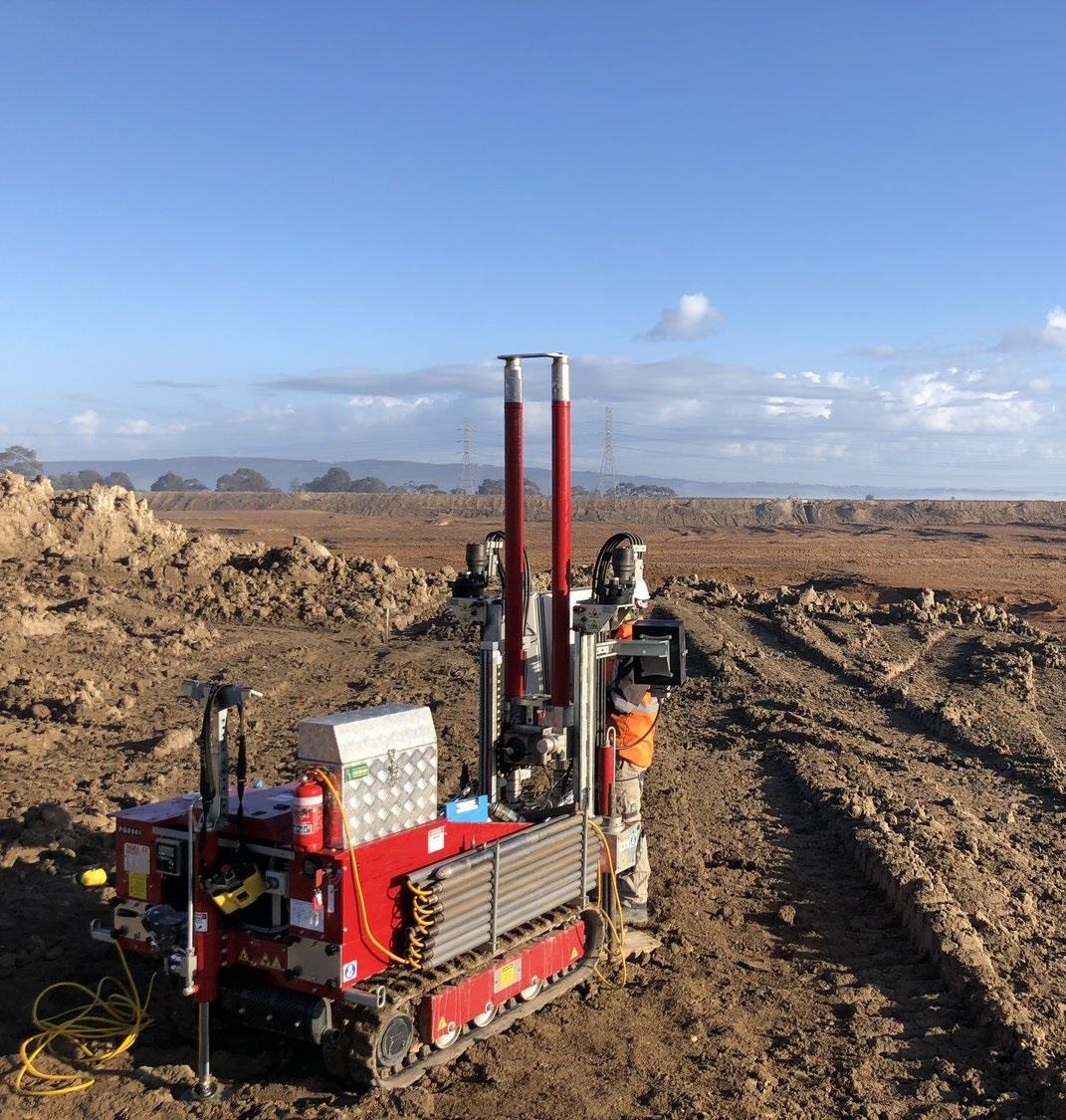
Employee Safety Training
Employee safety training gives workers the knowledge and practical skills to do their jobs without harming themselves or others. A training needs analysis matches courses to each role and its hazards. Typical topics for engineering and field staff include hazard awareness, first aid, fire safety, manual handling, work at height, confined space entry, hydrogen sulphide awareness, heat stress, defensive driving, and sea survival for marine work. Training combines classroom sessions with hands-on practice and is followed by assessment. Records of attendance and expiry dates are kept so that refresher training is delivered on time, and regular toolbox talks reinforce key messages on site.
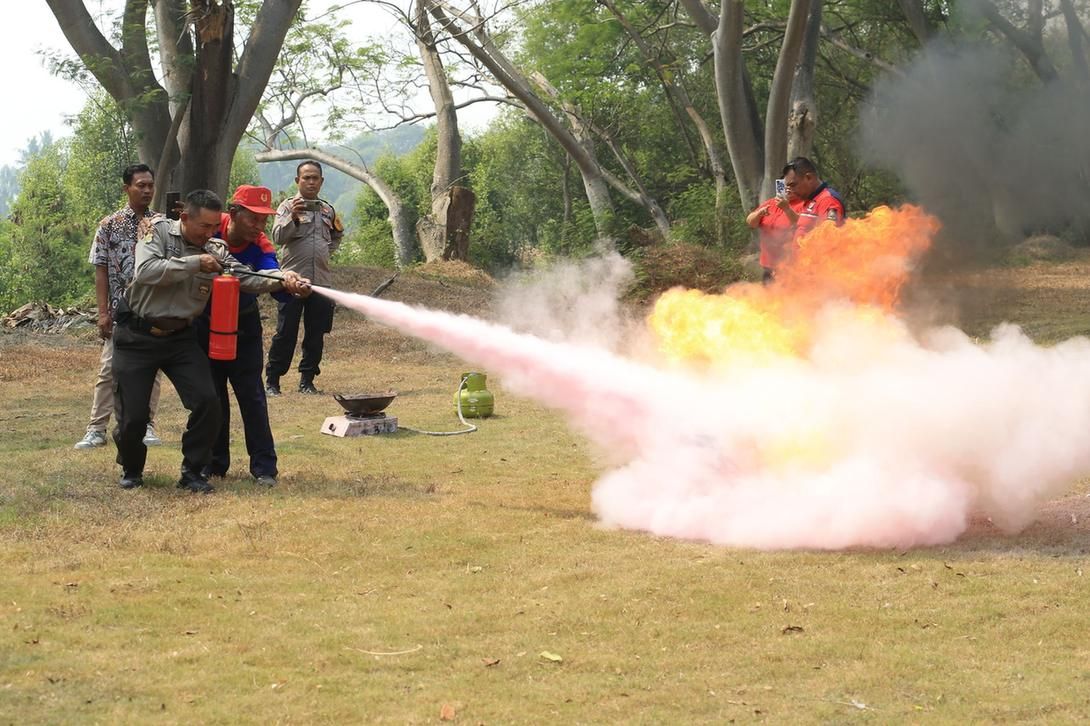
Competency Assessment
Competency assessment confirms that a person has the knowledge, skills and experience to carry out a specific task safely and to the required standard. It goes beyond attendance at a course: assessors observe the person performing the task, ask questions to test understanding, and review qualifications, logbooks and previous work. Competency is defined for each role against a written standard, for example for drill operators, samplers, surveyors, crane signallers or supervisors. Results are recorded in a competency matrix, gaps are addressed through training or mentoring, and reassessment is scheduled at set intervals. Only workers assessed as competent are authorised to carry out high-risk activities.
Field Supervision Programs
Field supervision programmes put experienced, competent supervisors on site to plan, direct and check work as it happens. Supervisors hold pre-start briefings, confirm that permits, risk assessments and method statements are in place, check that equipment has been inspected and that the right people are on each task. During the shift they monitor conditions, correct unsafe acts, stop work when necessary, and manage changes such as weather or unexpected ground conditions. They also verify technical quality, for example correct sampling, logging or testing procedures. Daily reports record progress, observations and issues. Effective supervision is one of the strongest controls for preventing incidents in fieldwork.

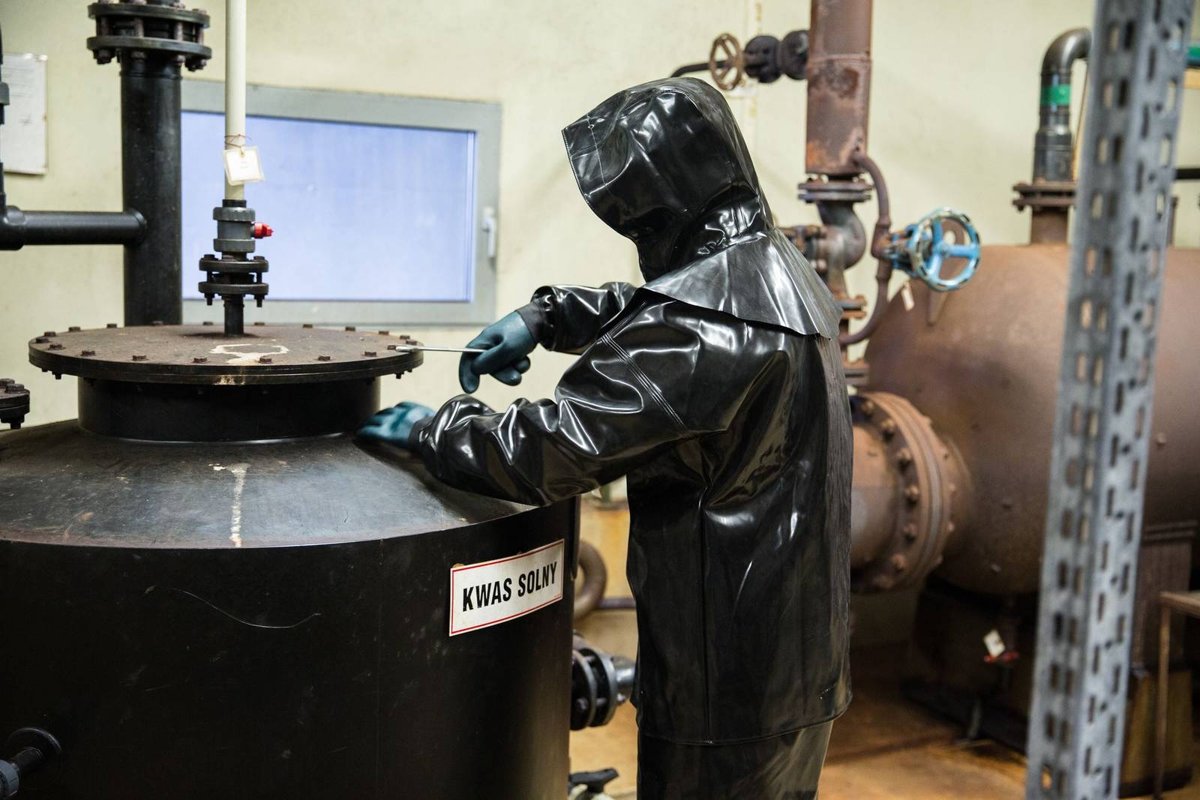
Substance Handling Protocols
Substance handling protocols set out how hazardous materials are stored, used, transported and disposed of safely. Common examples on engineering sites include fuels, solvents, drilling additives, laboratory reagents, sample preservatives and compressed gases. Each substance has a safety data sheet, and a chemical risk assessment defines the controls needed. Protocols cover correct labelling under the Globally Harmonized System (GHS), segregation of incompatible chemicals, approved storage such as flammable cabinets and bunded areas, required PPE, spill kits and first aid, and waste disposal routes. Workers are trained on the protocols, and inventories are checked regularly. This prevents fires, poisonings, burns and environmental releases.
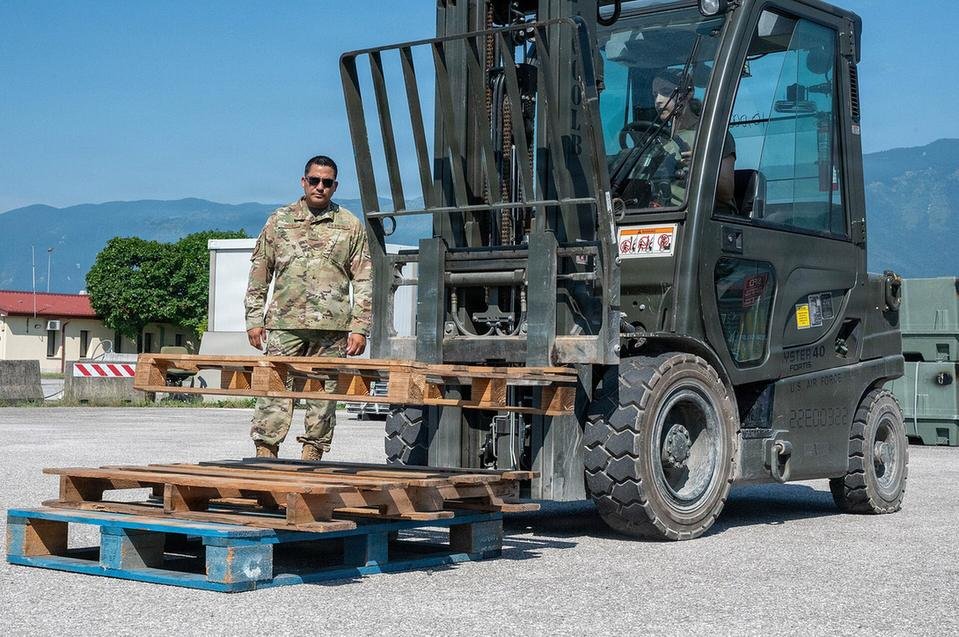
Equipment Operation Certification
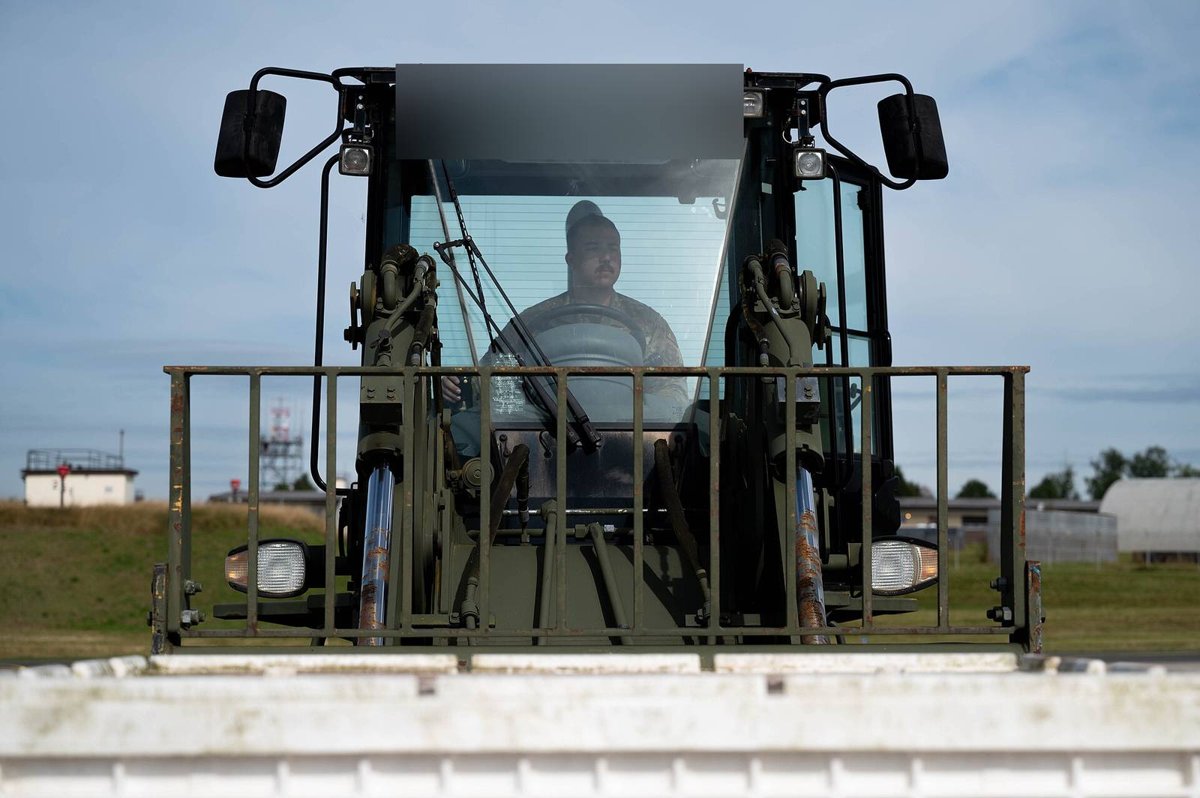
Equipment operation certification confirms that an operator has been trained and tested to use a specific type of machine safely. It applies to plant such as drilling rigs, cranes, forklifts, excavators, telehandlers, mobile elevating work platforms and boats. Certification normally combines theory training on controls, load charts and hazards with a practical test in which the operator carries out pre-use checks and realistic tasks under observation. Successful candidates receive a card or certificate, often issued by a recognised third-party scheme, with an expiry date. Employers keep a register of certified operators and verify cards on site so that only authorised people operate equipment.
Safety Induction Programs
A safety induction is the briefing every new employee, contractor or visitor receives before starting work on a site or project. It explains the site layout, the main hazards and how they are controlled, site rules, required PPE, permit-to-work arrangements, how to report hazards and incidents, emergency alarms, evacuation routes and assembly points, and welfare facilities. For field projects, inductions also cover specific risks such as heat, traffic, excavations, marine work or hydrogen sulphide. A short check confirms understanding, and attendance is recorded. Inductions are repeated when site conditions change and supported by daily pre-task briefings and toolbox talks.
Other capabilities in this service
Back to Health & SafetyDiscuss your project with ATLAS GES
Tell us about your site and requirements, and our team will get back to you.
Get in Touch